Hanzi Writer

How to Write 孰 (shú)

孰 (shú) means "who / which" in Chinese. It has 11 strokes with the radical 子. Difficulty: 3.9/5.

shú
11 strokes Radical: 子 Difficulty: 3.9/5

who / which

How to Write 孰

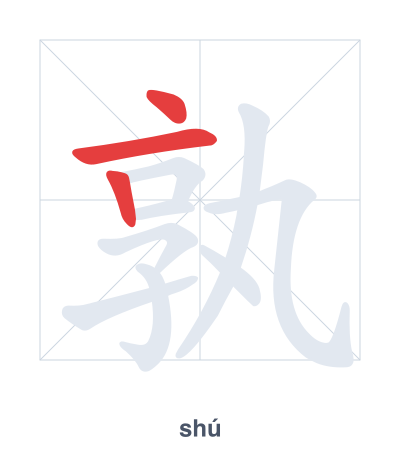
The character (shú) is written with 11 strokes. Follow the standard Chinese stroke order: top to bottom, left to right, outside before inside. The radical is one of its key components.

Practice the correct stroke order with the Hanzi Writer app to see animated stroke-by-stroke guidance with real-time feedback.

Meaning & Pronunciation

is pronounced shú in Mandarin Chinese. It means who / which.

Common Words with 孰

孰优孰劣 shú yōu shú liè
which is better and which is worse
孰是孰非 shú shì shú fēi
who is right and who is wrong
孰能无过 shú néng wú guò
Who is without fault?

Example Sentences

孰优孰劣很难说。

shú yōu shú liè hěn nán shuō

It's hard to say which is better and which is worse.

孰是孰非自有公论。

shú shì shú fēi zì yǒu gōng lùn

Public opinion will judge who is right and who is wrong.

人非圣贤,孰能无过?

rén fēi shèng xián shú néng wú guò

Men are not saints; who can be without fault?

Similar Characters

zhuǎn
hái
luán
Stroke order practice for 孰 - shú

Practice Writing 孰 (shú)

Open Hanzi Writer to see the animated stroke order and practice writing 孰 with real-time feedback.

Frequently Asked Questions about 孰

Related Characters