Hanzi Writer

How to Write 馕 (náng)

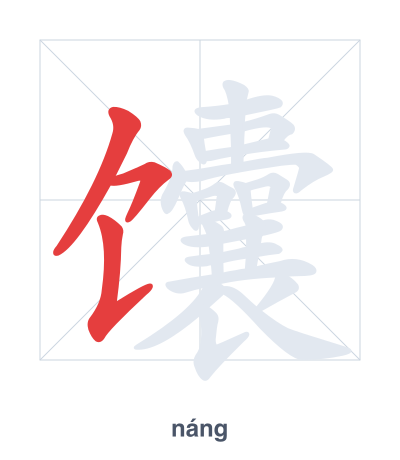
馕 (náng) means "naan or flatbread" in Chinese. It has 25 strokes with the radical 饣. Difficulty: 3.8/5.

náng
25 strokes Radical: 饣 Difficulty: 3.8/5

naan or flatbread

How to Write 馕

The character (náng) is written with 25 strokes. Follow the standard Chinese stroke order: top to bottom, left to right, outside before inside. The radical is one of its key components.

Practice the correct stroke order with the Hanzi Writer app to see animated stroke-by-stroke guidance with real-time feedback.

Meaning & Pronunciation

is pronounced náng in Mandarin Chinese. It means naan or flatbread.

Common Words with 馕

烤馕 kǎo náng
baked naan
吃馕 chī náng
to eat naan or flatbread
买馕 mǎi náng
to buy naan or flatbread

Example Sentences

烤馕的味道很香。

kǎo náng de wèi dào hěn xiāng

The baked naan smells delicious.

我们一起吃馕吧。

wǒ men yì qǐ chī náng ba

Let's eat naan together.

我去超市买馕。

wǒ qù chāo shì mǎi náng

I'm going to the supermarket to buy naan bread.

Stroke order practice for 馕 - náng

Practice Writing 馕 (náng)

Open Hanzi Writer to see the animated stroke order and practice writing 馕 with real-time feedback.

Frequently Asked Questions about 馕

Related Characters